Starting a black car business: the website checklist for year one

Before the site: the three things that must match
Pick the business name, the address and the phone number you will use everywhere, and never vary them. Google matches your website, your map listing and every directory by those three fields, and "Nier Transportation LLC" on one and "Nier Transport" on another costs you rankings for years.
Then buy the domain in your own name, with your own card, on your own account. A surprising number of operators lose their domain when they fall out with the person who built the site.
The Google listing comes before the website
Claim the Google Business Profile the week you have the address, before the site exists. Choose the primary category the top three competitors in your city use, usually "Limousine service" or "Chauffeur service", and add "Airport shuttle service". Upload real photos of the vehicle inside and out. Write the description with the city and the airport in it.
Then ask every single rider for a review from day one. The listing with 40 reviews in month six beats the listing with four, and the only way to have 40 is to have asked 60.

The eleven things the site needs
- A homepage that says what you do and where. "Black car and chauffeur service in Phoenix" in the heading, the airport and the services in the first screen, prices from, and a way to book.
- A booking form, not a contact form. Riders at 11pm want to book, not to "request a quote" and wait. If the form can show a price and take a card, it books the ride while they are still deciding.
- A page for your airport. Pickup procedure, meet-and-greet, which door, what happens when the flight is late.
- One page per service you actually sell. Airport, hourly, corporate, events. Not twelve services you might sell one day.
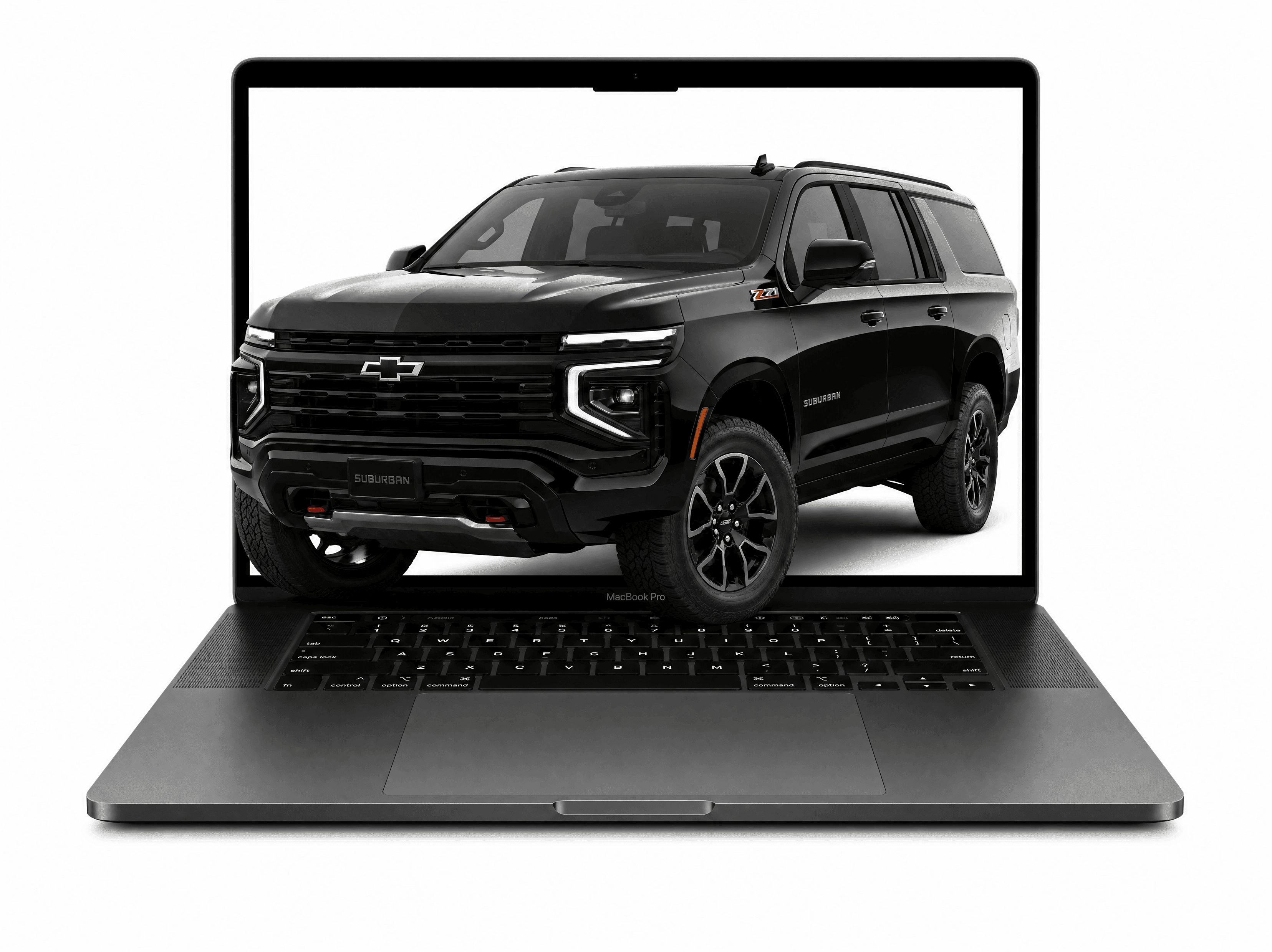
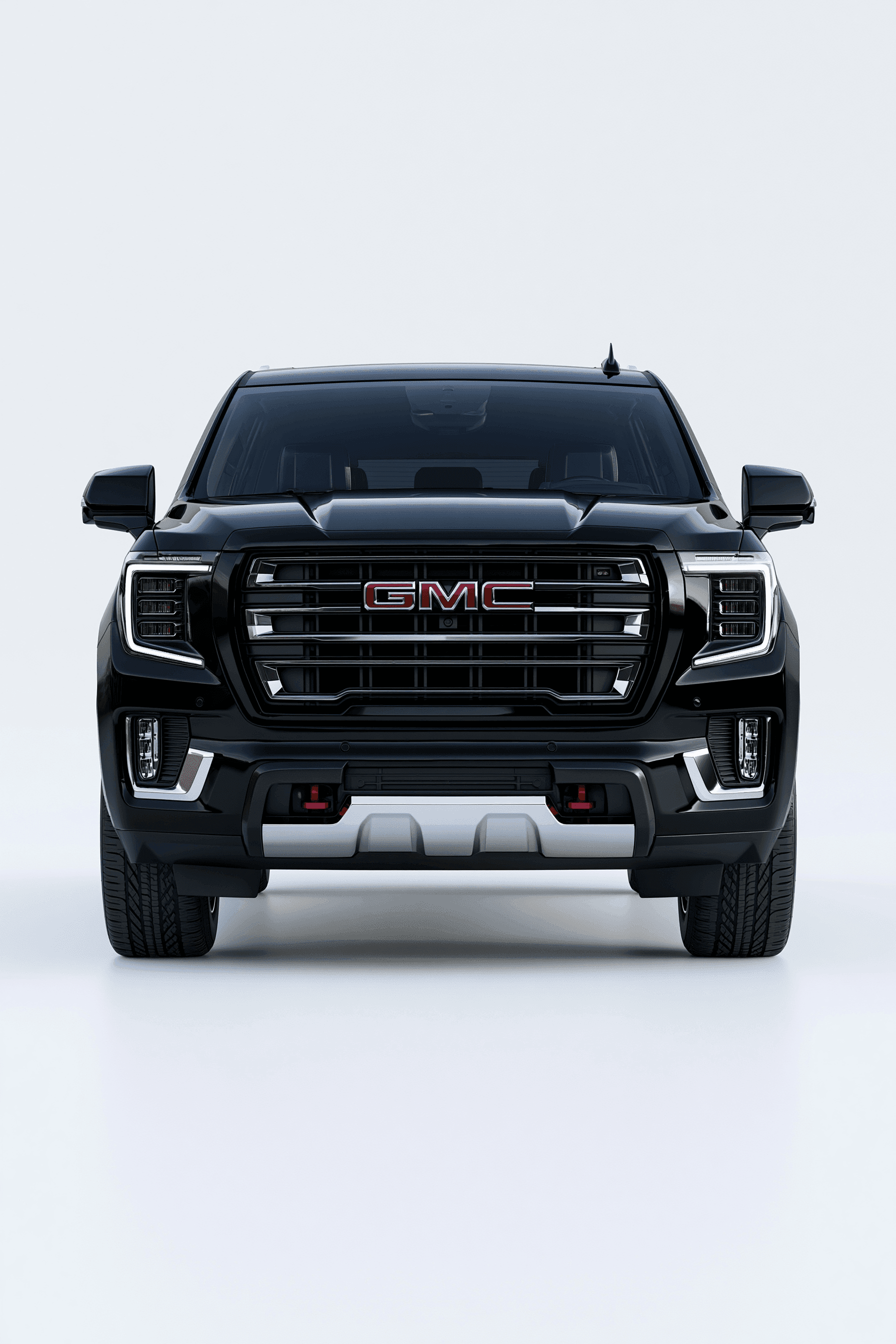
- Your fleet with real photos. Each vehicle, capacity, luggage count. Riders choose vehicles by picture.
- Prices from. Hiding prices sends the rider to the competitor who shows them.
- Reviews on the page, pulled from Google, with names.
- The phone number clickable on every screen on a phone.
- A real About page: who drives, how long, why. Trust is the whole product.
- Fast, on a phone. Most of your riders are on one, often at the curb.
- Your name on every email the system sends. Confirmations and reminders are marketing.
A new operator's website has one job in year one: when someone who already heard of you looks you up, they book instead of calling someone else.
What to skip in year one
Skip the blog until the pages above exist. Skip the town pages entirely; a page for every suburb reads as spam to Google when the site has no reviews behind it. Skip paid ads until the listing has 30 reviews, because the ads send people to a listing that doesn't convince them yet.
And skip the template that every other limo site in the city uses. Riders notice when three companies have the same site with a different logo, and they assume the cars are the same too.
Conclusion
Name, address and phone that never vary. A Google listing with photos and a review habit before the site is live. A homepage that says the city and the airport, a form that books, and real photos of real cars. Do those in year one and the site pays for itself; everything else can wait for year two.
If you would rather not build it yourself, our limo website design covers the whole checklist, and the Full Platform adds the booking form, dispatch and payments on your own site. The free website audit shows which items your current site is missing.